Each leadership conference includes a variation on the same breakout session. It is called productivity systems, high-performance habits, execution frameworks, and all that — but the message here is essentially the same: do more, move faster, lead harder. And leaders step out energized, notebooks full, ready to optimize.
So five years later, some of those same leaders are gone. Not fired, necessarily. Just quietly irrelevant. Their organizations plateaued. Their teams ceased to follow with conviction. Their influence, which had felt so certain until very recently, slipped away, quietly evaporated.
What happened? In most cases, it wasn’t a deficiency of skill. It was a lack of character.
Why Character Is the Foundation of Lasting Influence
The most durable leaders in history are remembered not for how they got things done but how they became the people they were. Character is no soft notion that is meant for motivational posters. It’s the fundamental structure that supports every leadership effort. In the absence of it, influence is borrowed — awe-inspiring in the short term, fragile over time.
Character influences the way leaders act when no one is watching. It determines whether they will tell the truth even though doing so is costly; it defines how they will treat people who can do nothing for them. This is what remains when the title disappears, the platform diminishes, and the season changes.
The difficulty is that character remains invisible until it is forced to test itself. A leader can be competent throughout the years. They cannot carry on in integrity forever. At some point there’s pressure — a financial shortfall, a personnel conflict, a decision that helps the organization but comes at the expense of the leader personally — and in that moment, what is inside becomes obvious.
In fact, this is precisely why long-term influence is not really a leadership approach. It is a leadership identity.
The Problem With Chasing Productivity Over Legacy
There is an obsession with output in contemporary leadership culture. We measure leaders by what they build — the numbers, the growth, the deliverables. And although results count, a singular emphasis on productivity quietly trains leaders to maximize the visible at the expense of the foundational.
Without learning to develop character as well as competence, you have leaders who are effective at reaching goals who are incapable of stewarding influence. They create platforms, but not trust. They attract followers, not commitment. They create momentum but find it challenging to sustain it outside their charisma and self-efficacy.
Unfortunately, most of these leaders are truly gifted. They are not bad people. They just weren’t taught that character is something you cultivate intentionally, not something that only gets developed with experience or success.
Legacy is not a byproduct of productivity. Legacy is a byproduct of character which is displayed consistently over time. The leader who finishes out on top is rarely the most efficient. It is the one whose team still talks of them with respect years after they have moved on.
How Beyond Success Makes Character Development Teachable
It is there, that gap between understanding that character matters, and having a chance to cultivate character in yourself and others, that most organizations slow down. Character can just be something you write in a values statement. It’s a lot more difficult to make it a lived reality among a team or congregation.
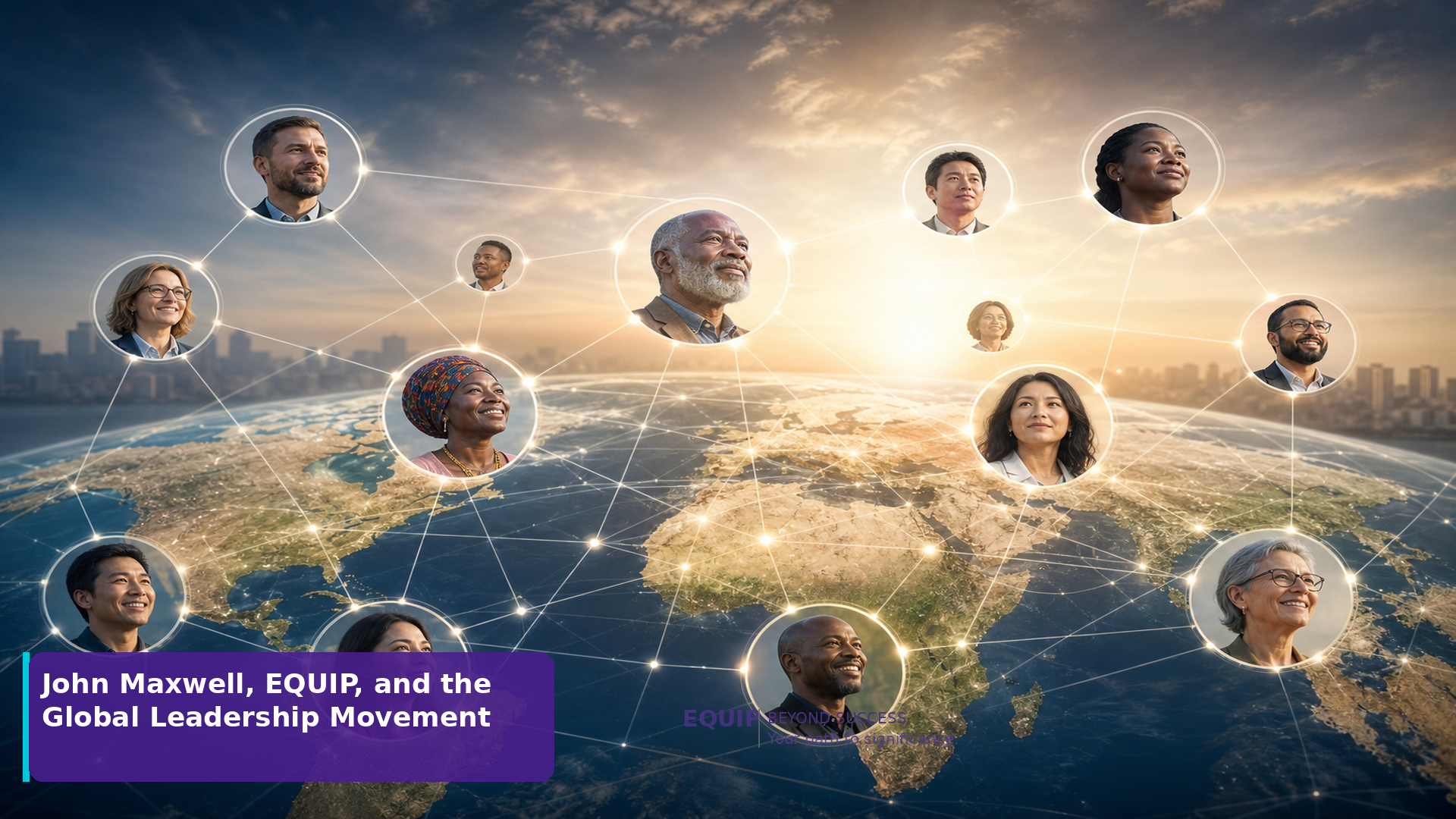
This is exactly what Beyond Success solves. Born out of EQUIP’s decades of leadership development experience worldwide, Beyond Success offers a pragmatic, learned model of how to grow the inner-most traits that create sustainable, powerful external impact. It takes what could remain abstract — integrity, humility, courage, faithfulness — and transforms them into concrete, discussable, developable competencies.
The resource is designed for leaders who want more than metrics. For those who ask the more difficult question: not am I leading well, but am I becoming someone worth following?
Through small groups, leadership cohorts and one-on-one mentoring relationships, Beyond Success builds the type of structured conversation in which character can be examined, challenged and grown. It does not make character a given. It considers it a discipline — something learned, broached, honed over time.
Because organizations don’t need all the productive leaders out there at the end of the day. They need more trustworthy leaders. Leaders whose impact does not rise through title but through track record. Leaders who make the world — and the people who live in it — better places than when they found them.
That’s the type of leader worth cultivating. The development needs to start from somewhere.